


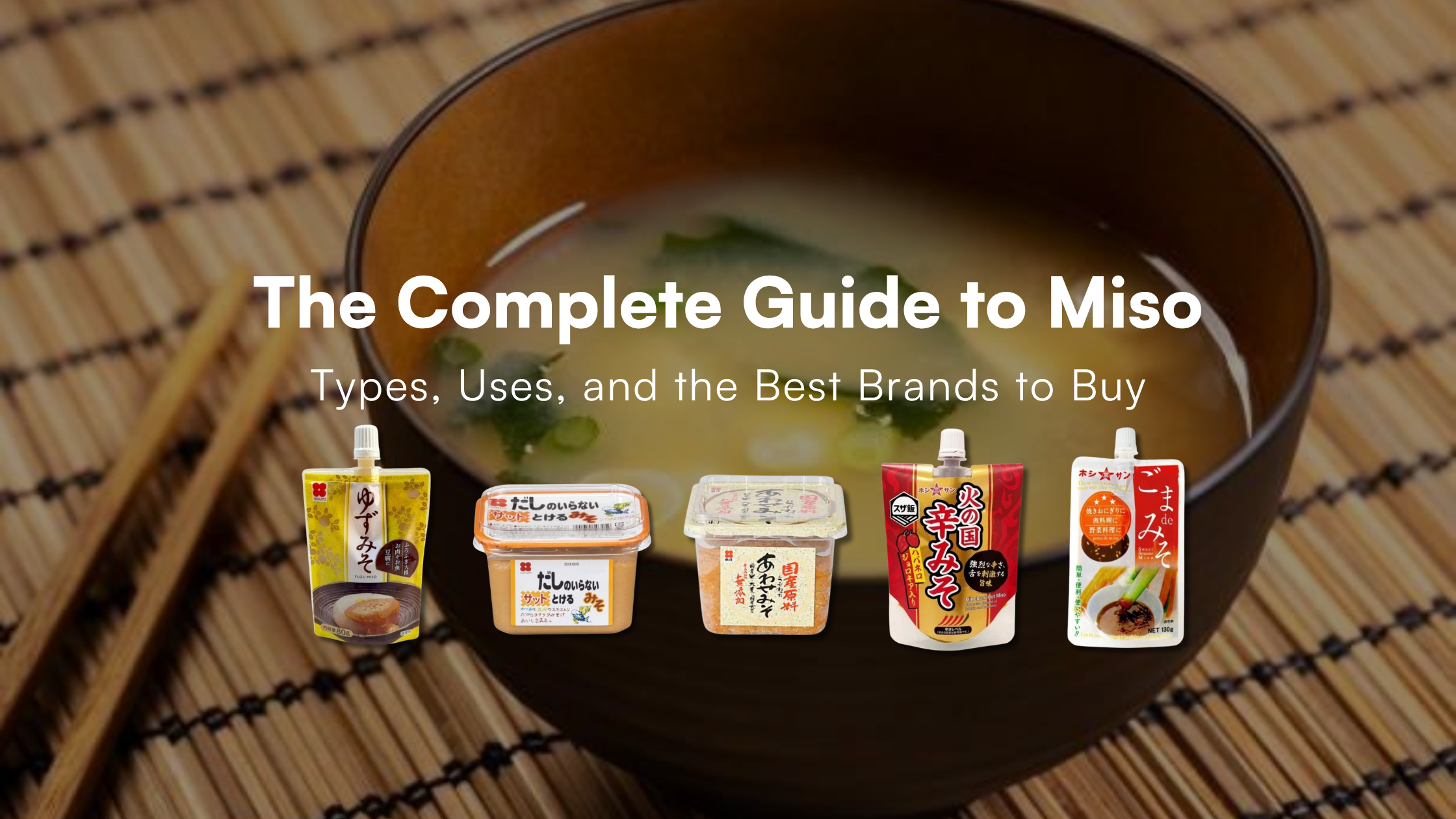
Miso is one of the most versatile ingredients in Japanese cooking — and one of the most misunderstood on a Western grocery shelf. Whether you've only ever used it for miso soup or you're ready to explore what fermented soybean paste can do for your weeknight cooking, this guide covers everything you need to know: what miso actually is, how the different types taste and behave, how to use it beyond soup, and which brands are worth keeping in your pantry.
What Is Miso?
Miso (味噌) is a fermented paste made primarily from soybeans, salt, and a mold culture called koji (麹). The koji breaks down the soybeans' proteins and starches over weeks, months, or even years of aging — producing a paste with deep umami flavor, complex saltiness, and a subtle sweetness that varies depending on the recipe.
Originally from China and brought to Japan over 1,300 years ago, miso became a cornerstone of Japanese cuisine and remains so today. It's used daily in Japanese households — in soups, as a marinade, stirred into sauces, and spread directly onto vegetables and fish before grilling.
The fermentation process also makes miso a probiotic-rich food. It contains beneficial bacteria that support gut health, along with protein, B vitamins, and minerals — which is part of why miso soup has been eaten as a breakfast staple in Japan for centuries.
The Main Types of Miso — and How They Taste
Not all miso is the same. The color, flavor, and intensity of miso varies based on three factors: the ratio of soybeans to koji, the salt content, and the length of fermentation. Here's how to tell them apart:
White Miso (Shiro Miso / 白味噌)
White miso is the mildest and sweetest variety. It's fermented for a shorter period — sometimes just a few weeks — and uses a higher proportion of rice koji to soybeans. The result is a pale yellow to off-white paste with a gentle, slightly sweet flavor and low saltiness.
Best for: Miso soup, salad dressings, light marinades, glazes for fish, blending into butter or cream sauces. Anywhere you want umami without overpowering the dish.
Flavor profile: Mild, sweet, slightly tangy, low salt.
Red Miso (Aka Miso / 赤味噌)
Red miso is aged longer — often six months to a year or more — and uses a higher proportion of soybeans to koji. The extended fermentation produces a deeper red-brown color, intense umami, and a pronounced saltiness. It's the boldest miso variety and holds up to strong flavors.
Best for: Hearty miso soups, ramen broths, stews, marinades for red meat, miso glazed eggplant (nasu dengaku), adding depth to stir-fry sauces.
Flavor profile: Bold, salty, deeply savory, slightly bitter, complex.
Mixed Miso (Awase Miso / 合わせ味噌)
Awase miso blends white and red miso, balancing the sweetness of white with the depth of red. It's the most commonly used everyday miso in Japanese home cooking — versatile enough for most applications without being too mild or too aggressive.
Best for: All-purpose miso soup, everyday cooking, most recipes that simply call for "miso paste" without specifying a type.
Flavor profile: Balanced — mild umami, moderate salt, slight sweetness.
Specialty Misos
Beyond the core three, there are specialty miso varieties worth knowing:
- Yuzu Miso — white miso blended with yuzu citrus peel, producing a bright, fragrant paste with floral citrus notes. Exceptional as a dipping sauce for vegetables, tofu, or as a finishing condiment on grilled fish.
- Sesame Miso Sauce — miso blended with sesame for a richer, nuttier flavor profile. Works beautifully as a noodle sauce, dressing, or dipping sauce.
- Spicy Miso (Karakuchi Miso) — miso with chili added, common in certain regional Japanese styles. Used in spicy ramen broths, hotpot bases, and as a condiment.
- Dashi Miso — miso pre-blended with dashi (Japanese stock made from kombu and bonito), so you can make miso soup with just hot water and no extra stock. Extremely convenient for everyday use.
White vs Red Miso — Which Should You Buy First?
If you're new to miso, start with awase (mixed) miso or white miso. Both are forgiving, versatile, and work in the widest range of recipes. Red miso is fantastic but its intensity can overwhelm dishes if you're not used to calibrating it.
If you cook Japanese food regularly, it's worth keeping both white and red on hand — they behave very differently and aren't always interchangeable.
Quick reference:
| White Miso | Red Miso | Mixed Miso | |
|---|---|---|---|
| Fermentation time | Short (weeks) | Long (6–12+ months) | Varies |
| Color | Pale yellow | Deep red-brown | Medium brown |
| Flavor | Mild, sweet | Bold, salty, complex | Balanced |
| Salt level | Low | High | Medium |
| Best use | Soups, dressings, glazes | Stews, ramen, bold marinades | Everyday cooking |
How to Use Miso Beyond Soup
Most people discover miso through miso soup — but that's barely scratching the surface. Here's how Japanese home cooks actually use miso every day:
Miso Soup (味噌汁)
The classic. Dissolve 1–1.5 tablespoons of miso into hot dashi stock (not boiling — heat destroys the beneficial probiotics). Add tofu, wakame seaweed, green onions, or whatever vegetables you have. Takes five minutes and works as a starter, breakfast, or light meal alongside rice.
Miso Ramen Broth
Red or spicy miso is the base of miso ramen — one of the three great ramen styles. Stir 2–3 tablespoons of miso into your pork or chicken broth base, add garlic and ginger, and you have the foundation of a rich, savory bowl. Look for miso ramen noodle kits if you want a shortcut.
Miso Glaze for Fish and Vegetables
Mix white miso with mirin and sake in a 2:1:1 ratio, brush over salmon, black cod, or eggplant, and broil or grill. This is the technique behind Nobu's famous miso-marinated black cod — deeply savory, caramelized, and incredibly easy.
Miso Butter
Blend a tablespoon of white miso into softened butter. Use it on corn, steak, roasted potatoes, or as a finish for pasta. It adds a round, umami depth that's hard to pin down but hard to forget.
Miso Salad Dressing
Whisk white miso with rice vinegar, sesame oil, a little honey, and ginger. Toss with shredded cabbage, cucumber, or any salad. Works especially well as a dressing for cold soba noodle salads.
Miso Marinade for Meat
Mix red miso with soy sauce, sake, and sugar. Marinate chicken thighs or pork belly overnight. The fermentation enzymes in miso tenderize the protein while the paste caramelizes beautifully on a grill or in a pan.
Important: How to Store Miso
Miso is a fermented product and stays good for a long time when stored correctly:
- Always refrigerate after opening. Miso doesn't technically spoil at room temperature, but refrigeration keeps the flavor fresh and the beneficial bacteria alive.
- Press plastic wrap directly onto the surface before sealing the container. This prevents oxidation and keeps the top layer from drying out or darkening.
- Shelf life: White miso: 3–6 months refrigerated. Red and mixed miso: up to 1 year refrigerated. Dashi miso packets: check the individual best-by date.
- Never boil miso. Add it off the heat or at the very end of cooking. Boiling destroys the probiotics and dulls the flavor.
The Miso Products We Carry — and When to Use Each
Pure Miso Pastes

Shinjyo Yuzu Miso (Spout Pouch, 80g) — A specialty white miso blended with yuzu citrus. The spout pouch format is ideal for using small amounts as a condiment or finishing sauce. Use it as a dipping sauce for blanched vegetables, spread on rice crackers, or as a glaze for grilled fish. The yuzu brightens the miso without overpowering it. At $7.99 it's a premium condiment worth having for its uniqueness.

Hoshisan "Hinokuni" Spicy Miso Paste (100g) — A karakuchi-style red miso with chili heat built in. Hinokuni refers to the Kumamoto region of Japan, known for its distinctively robust miso. Use this wherever you want miso flavor with heat — spicy ramen broth, as a condiment for hotpot, or stirred into stir-fry sauces. At $9.49 it's a serious pantry upgrade for anyone who likes bold flavors.

Hoshisan Sesame Miso Sauce (130g) — A ready-to-use miso sauce blended with sesame. This doesn't need to be cooked down or diluted — use it directly as a noodle sauce, dipping sauce for shabu-shabu or gyoza, or as a cold ramen dressing. The sesame adds richness that makes it work particularly well over cold noodles or steamed chicken.

Shinjyo Blended Miso (500g) — A larger-format awase-style miso for everyday cooking. The blended formulation using domestic (Japanese) ingredients makes this an excellent all-purpose pantry miso for daily miso soup, marinades, and cooking. The 500g size is ideal for households that use miso regularly.
Instant and Convenience Miso

Shinjyo Instant Sea Bream Dashi Miso Soup (37.4g) — A premium instant miso soup where the dashi is made from sea bream (tai) rather than the standard bonito. Sea bream dashi has a lighter, more delicate flavor — this is the kind of instant miso soup you give as a gift or enjoy as a moment of luxury. Dissolves in hot water in seconds.

Shinjyo No Dashi Needed Quick-Dissolving Miso (400g) — The most convenient everyday miso format. The dashi is pre-blended into the miso paste, so you just dissolve a spoonful in hot water and your soup is ready. No kombu, no bonito flakes, no dashi stock required. Excellent for busy weeknight cooking or for anyone new to miso soup who wants a no-fuss entry point.

SK Instant Noodle Cup Goku-Uma Miso Flavor (105g) — A single-serve cup ramen with miso broth. The "Goku-Uma" (極旨, meaning "extremely delicious") branding signals this is positioned as a premium cup noodle. Miso broth in cup noodle format tends to be richer and more warming than soy or salt variants — good for a quick meal on cold days.

Sanyo Foods Sapporo Ichiban Miso Ramen (100.6g × 5 Pack) — Sapporo Ichiban is one of the classic Japanese instant ramen brands, and the miso variety is their most iconic. Made in the style of Sapporo miso ramen — the northern Japanese city where miso ramen originated. The five-pack format makes this an excellent pantry staple. Cook with a soft-boiled egg, corn, and butter for the full Sapporo experience.

Kurata Miso Vegan Ramen Dry Noodles (260g, 2 Servings) — A dry-style miso ramen kit marketed as vegan. "Dry noodles" (まぜそば style) means these are sauced rather than souped — toss the cooked noodles with the miso sauce included rather than serving in broth. This style is growing fast in Japan and is an interesting change from traditional ramen. The vegan formulation makes it suitable for plant-based diets.
Can I substitute white miso for red miso? Yes, but expect a milder, less intense result. If substituting white for red, add a small amount of soy sauce to boost the saltiness and depth. If substituting red for white, use less to avoid overpowering the dish.
Is miso gluten-free? It depends on the variety. Traditional miso made from soybeans, rice, and salt is naturally gluten-free. However, some miso is made with barley (mugi miso) or contains wheat in added flavorings. Always check the label. Tamari-based miso products are usually gluten-free.
How long does miso last in the fridge? White miso: 3–6 months. Red and mixed miso: up to 1 year. Dashi miso packets: check the best-by date. Miso rarely goes "bad" in a dangerous sense — it may darken or lose freshness, but properly stored miso keeps well.
What does miso taste like? Deeply savory (umami), mildly salty, with a subtle sweetness depending on the variety. White miso is the sweetest and gentlest. Red miso is bold, salty, and complex. If you've eaten miso soup at a Japanese restaurant, you've tasted awase or white miso — it's that warm, quietly savory flavor in the broth.
Can I eat miso raw? Yes. Miso doesn't need to be cooked. It can be used directly as a condiment, dipping sauce, or spread. In fact, heating miso above 60°C destroys the beneficial probiotic bacteria — so adding it at the end of cooking or using it raw preserves the most nutritional value.
What's the difference between miso paste and miso soup powder? Miso paste is the fermented base — you use it to make miso soup by dissolving in dashi stock. Miso soup powder (like instant dashi miso products) is a pre-blended convenience format where the dashi is already incorporated — just add hot water. The paste gives you more control over flavor; the powder is faster.
Shop Our Miso Collection
Ready to stock your miso pantry? We carry the full range — from everyday cooking miso to specialty yuzu and spicy varieties — with delivery across the US.
- New to miso? Start with Shinjyo No Dashi Needed Quick-Dissolving Miso for instant soup, or Shinjyo Blended Miso for all-purpose cooking.
- Want something special? Try Shinjo Yuzu Miso or Hoshisan Hinokuni Spicy Miso Paste for condiment-level miso experiences.
- Love instant ramen? Sanyo Sapporo Ichiban Miso Ramen 5-Pack is the classic, and Kurata Miso Vegan Ramen is worth trying for something different.
→ Browse all miso products at ding-go.com


