


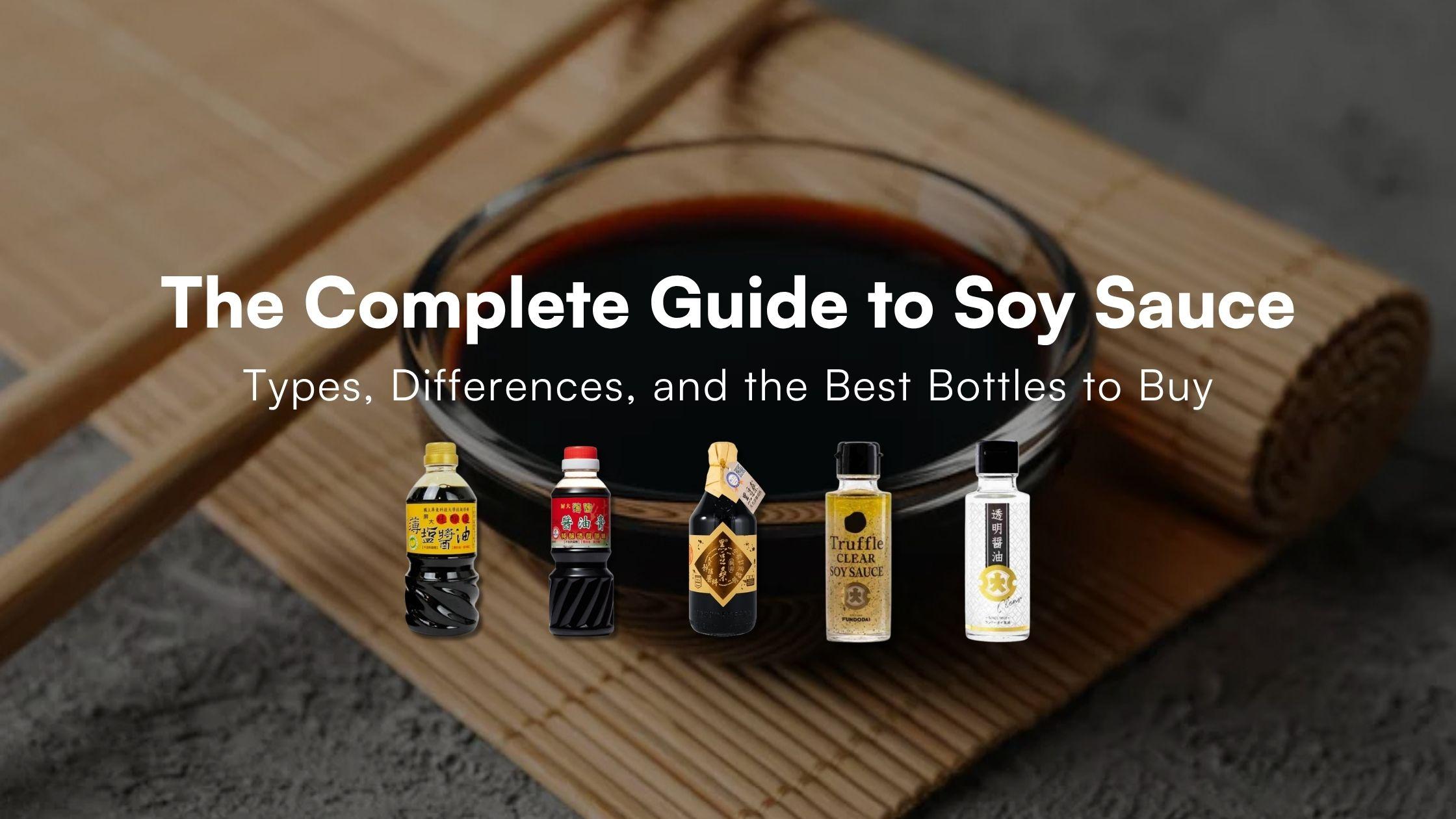
Soy sauce is the most used condiment in the world — and also one of the most misunderstood. Most Western cooks keep one bottle in the fridge and reach for it whenever a recipe says "soy sauce." But walk into a serious Japanese, Chinese, or Korean kitchen and you'll find two or three different varieties, each used for a specific purpose. The difference between light and dark soy sauce, between Chinese and Japanese, between naturally brewed and chemically produced — these distinctions change the flavor of a dish entirely.
This guide explains every type of soy sauce worth knowing, how to use each one, and which bottles to choose depending on what you're cooking.
What Is Soy Sauce?
Soy sauce (醤油 in Japanese, 醬油 in Chinese) is a liquid condiment made by fermenting soybeans with roasted grain (usually wheat), water, and salt, using a mold culture called koji. The fermentation process — which in traditional production takes six months to three years — creates hundreds of flavor compounds that give soy sauce its characteristic combination of saltiness, umami, subtle sweetness, and complex aroma.
The key word in quality soy sauce is naturally brewed (本醸造 / 天然酿造). Naturally brewed soy sauce is made through full fermentation. Most mass-market soy sauce sold in the West is made by a faster chemical process called acid hydrolysis — it's cheaper and quicker, but produces a thinner, harsher flavor without the depth of traditionally brewed varieties.
If you've ever tasted a premium Japanese soy sauce next to a supermarket brand and wondered why the difference is so dramatic — this is why.
The Main Types of Soy Sauce
Japanese Soy Sauce (醤油 / Shoyu)
Japan has the most developed taxonomy of soy sauce in the world, with five officially recognized types. The two you'll encounter most often:
Koikuchi (濃口醤油) — Dark Soy Sauce, Regular The default Japanese soy sauce — deep reddish-brown, balanced saltiness, rich aroma. Used in the vast majority of Japanese recipes. When a Japanese recipe simply says "soy sauce," it means koikuchi. Works for dipping (sushi, sashimi, dumplings), simmered dishes, stir-fries, marinades, and ramen tare.
Usukuchi (薄口醤油) — Light Soy Sauce Confusingly, usukuchi (light) soy sauce is actually saltier than dark soy sauce — but lighter in color and more delicate in flavor. Used when you don't want soy sauce to darken or overpower the dish. Common in Japanese soups, chawanmushi (egg custard), and dishes where you want the ingredient colors to remain vivid.
Tamari (たまり) A thicker, darker soy sauce with minimal wheat content — often gluten-free or very low gluten. Richer and more intense than standard koikuchi, with a rounder flavor. Excellent as a dipping sauce for sashimi or as a finishing sauce. Many people with gluten sensitivity use tamari as a soy sauce substitute.
Shiro Shoyu (白醤油) — White / Clear Soy Sauce The palest, most delicate soy sauce — almost clear in color, with a subtly sweet, very mild flavor. Used in refined Japanese cooking where color matters: clear soups, pale sauces, delicate dressings. The Fundodai EX Clear Soy Sauce is this category — a precision condiment for Japanese cooking at a higher level.
Chinese Soy Sauce
Chinese soy sauce is typically divided into two fundamental categories that many home cooks confuse:
Light Soy Sauce (生抽 / Shēng Chōu) Thin, saltier, and lighter in color than dark soy sauce. This is the default all-purpose Chinese soy sauce for seasoning and dipping — it adds flavor without darkening the dish significantly. Used in stir-fries, marinades, fried rice, and as a table condiment.
Dark Soy Sauce (老抽 / Lǎo Chōu) Thicker, less salty, and much darker than light soy sauce. Made by aging light soy sauce further with molasses or caramel. Used primarily for color — red-braised pork (红烧肉), clay pot dishes, and any Chinese dish where you want that deep mahogany glaze. Not typically used for dipping or seasoning in the same way as light soy.
The most important thing Chinese home cooks know that most Western cooks don't: light and dark soy sauce are not interchangeable. Using dark soy sauce where light is called for makes food too dark and slightly bitter. Using only light soy sauce in a red-braised dish leaves it pallid and flat.
Low Sodium Soy Sauce
Low sodium soy sauce is fermented the same way as standard soy sauce but with the sodium content reduced by 40–50% after production. It's useful for anyone managing sodium intake, or for recipes where soy sauce is used in larger quantities (marinades, braises) and total sodium adds up quickly.
The trade-off is a slightly milder, sometimes thinner flavor. Low sodium soy sauce works well anywhere the soy flavor itself matters more than the salt it contributes — stir-fry sauces, dressings, dipping sauces where you control the salt separately.
Naturally Brewed vs Chemically Produced — Why It Matters
Most cheap soy sauce is made by hydrolysis: soybeans are broken down with hydrochloric acid in a matter of days, then neutralized and colored with caramel. It produces a product that looks like soy sauce but contains none of the hundreds of flavor compounds that fermentation creates.
Naturally brewed soy sauce — labeled 本醸造 (hon-jozo) in Japanese, or 天然酿造 in Chinese — takes months or years. The flavor is in a different category. If you've been cooking with supermarket soy sauce and tasted a naturally brewed Japanese or Taiwanese variety for the first time, the difference is immediately obvious.
How to tell: Look for "naturally brewed" on the label, or check the ingredients list. Naturally brewed soy sauce contains soybeans (or defatted soy), wheat, water, salt, and sometimes alcohol as a preservative. If the ingredients list includes "hydrolyzed soy protein," "caramel color," or "corn syrup," it's chemically produced.
How to Use Soy Sauce — Beyond Just Dipping
As a Marinade Base
Soy sauce is the backbone of most Asian marinades. Mix light soy sauce with sesame oil, garlic, ginger, and a touch of sugar for chicken, pork, or beef. The salt in the soy sauce draws moisture from the protein and then carries the flavors back in during the marinating process.
In Fried Rice
The secret to good fried rice is adding soy sauce around the edges of the hot wok, not directly onto the rice — the soy sauce hits the hot metal first, creating a quick caramelization before it coats the grains. Light or all-purpose soy sauce works best; dark soy sauce turns the rice too dark.
In Ramen Tare
Tare is the concentrated seasoning base mixed into ramen broth. Shoyu tare — made by simmering soy sauce with mirin, sake, sugar, and aromatics — is one of the three classic ramen seasoning styles. The quality of your soy sauce directly affects the depth of your ramen broth.
As a Finishing Sauce
A few drops of premium soy sauce over a finished dish — steamed fish, grilled tofu, a bowl of rice — adds a dimension you can't get by cooking it in. This is when clear soy sauce (shiro shoyu) or specialty varieties like truffle soy sauce shine.
In Stir-Fries
Add soy sauce to the wok near the end of cooking, after your protein and vegetables are mostly cooked. High heat and a short cooking time preserves the aromatic compounds. Using light soy sauce preserves the color of your vegetables; dark soy sauce if you want the sauce to cling and caramelize.
For Pickling and Quick Pickles
Combine soy sauce with rice vinegar, sugar, and optionally chili for a quick pickling brine. Soak sliced cucumber, daikon, or cabbage for 30 minutes to several hours. The soy sauce adds umami depth that plain vinegar pickles lack.
Soy Sauce in Snacks — A Growing Category
One of the most interesting developments in soy sauce culture is its use as a snack flavoring. The savory, umami-forward profile of soy sauce translates beautifully into chips, crackers, and coated snacks — particularly in the Japanese konbini (convenience store) food tradition.
Butter × soy sauce is the most iconic Japanese snack flavor combination — appearing on corn, potato chips, and popcorn. The fat in the butter softens the saltiness of the soy sauce and amplifies its aroma. It's a pairing that Japanese cooks have known for decades (think corn butter ramen, or soy butter on Hokkaido-style bread) and has spread into the snack world to exceptional effect.
The Soy Sauce Products We Carry
Cooking and Pantry Soy Sauces

ODS Naturally Brewed All-Purpose Soy Sauce (550ml, $19.99) A premium naturally brewed soy sauce positioned for everyday all-purpose cooking. The "naturally brewed" designation means this went through full fermentation — no shortcuts. At 550ml it's sized for regular kitchen use. The higher price reflects the quality gap between brewed and chemically produced soy sauce. Use this anywhere soy sauce is the lead flavor: sushi dipping, teriyaki, ramen tare, stir-fry seasoning.

Fundodai EX Clear Soy Sauce (100ml, $8.49) Fundodai is a Kyushu-based Japanese soy sauce producer known for specialty and premium varieties. The EX Clear is a shiro shoyu-style ultra-clear soy sauce — pale in color, delicate in flavor, designed for dishes where you want soy sauce flavor without any darkening effect. Use it in clear soups, egg dishes, delicate Japanese sauces, and anywhere presentation matters. The 100ml size is right for a condiment used in smaller amounts.

Fundodai Truffle Soy Sauce (100ml, $11.89) A specialty finishing soy sauce blended with truffle — combining the umami of fermented soy with the earthy, aromatic intensity of truffle. This is not a cooking soy sauce; it's a finishing condiment. A few drops over sashimi, steamed rice, scrambled eggs, pasta, or grilled mushrooms. The small bottle is appropriate — you use it sparingly and savor it. A strong gift option for food-interested people.

NPUST Low Sodium Soy Sauce (560ml, $16.49) A large-format low sodium soy sauce — useful for households managing sodium intake or anyone using soy sauce in larger quantities in marinades and braises. The 560ml size suggests this is intended as a primary pantry soy sauce replacement. Look for it to have roughly 40–50% less sodium than standard soy sauce while maintaining a similar flavor profile.

NPUST Low Sodium Soy Sauce Paste (300ml, $11.99) A paste-format low sodium soy sauce — thicker than liquid soy sauce, making it useful as a spread, a thicker marinade base, or a stir-fry sauce that clings to ingredients rather than running off. This format is common in Taiwanese cooking. Use it as a dipping sauce that doesn't drip, or mix it with sesame oil and chili for a cold noodle sauce.
Japanese Specialty and Cooking Soy Sauces

Scallops with Butter Soy Sauce (75g, $5.99) A concentrated Japanese-style soy sauce seasoned with scallop essence and butter flavor. This is a prepared condiment rather than a pure soy sauce — designed as a finishing sauce for rice, noodles, grilled fish, or vegetables. The scallop flavor adds a seafood umami dimension; the butter rounds the saltiness. Use it like a premium flavored soy sauce where a single condiment does multiple things.

Kokuryu Ramen Roasted Garlic Soy Sauce Flavor (114g, $4.99) Kokuryu is a well-regarded Japanese ramen brand. This shoyu-flavor instant ramen uses a roasted garlic soy sauce base — a classic Japanese ramen flavor profile that's deeply savory and aromatic. The roasted garlic adds sweetness and depth that distinguishes it from plain shoyu ramen. Good as a standalone quick meal or as a base for an upgraded bowl with additional toppings.

Nisshin Karaageko Fried Chicken Mix — Soy Sauce (100g, $2.79) A seasoned coating mix for Japanese karaage (fried chicken) based on soy sauce seasoning. Karaage is a specific Japanese frying technique — marinated chicken (usually in soy sauce, sake, and ginger) coated lightly and fried at a high temperature for crispy exterior and juicy interior. This mix simplifies the process. The soy sauce flavor in the coating gives karaage its characteristically savory, slightly sweet crust.
Soy Sauce Flavored Snacks

Baby Star Wide Original Soy Sauce Ramen Snack (70g, $2.99) Baby Star is one of Japan's most iconic snack brands — crispy fried ramen noodle pieces seasoned with soy sauce flavor. The ramen snack format started in Japan in the 1950s and remains a beloved convenience store staple. The "wide" version has broader noodle pieces for more crunch. Addictive snacking, works as a topping for salads or rice bowls, or crushed over instant ramen for texture.

Wei Lih GGE Soy Sauce Noodle Chips (80g, $1.99) A Taiwanese take on the soy sauce snack format — GGE (乖乖) noodle chips from Wei Lih are a classic Taiwanese convenience store snack. Thin, crispy, and seasoned with a savory soy sauce flavor. The Taiwanese soy sauce flavor profile tends to be slightly sweeter and more rounded than the Japanese version. At $1.99 this is an entry-level way to try the format.

Frito-Lay Mike's Popcorn Butter Soy Sauce Flavor (50g, $4.49) The Japanese Frito-Lay collaboration with Mike's Popcorn brings the iconic Japanese butter × soy sauce flavor combination into a Western popcorn format. This is a fusion snack that makes total sense — popcorn with butter is a natural match for soy sauce's umami intensity. The contrast of buttery richness and savory soy salt is exactly the flavor combination that drives Japanese snack culture. Interesting crossover product for anyone who likes both Japanese flavors and Western-style popcorn.

Calbee Jagabee Butter Soy Sauce Flavor (75g, $6.29) Calbee Jagabee are premium Japanese potato stick snacks — made from whole potato and cut in thick sticks for a more substantial texture than standard chips. The butter soy sauce flavor is Calbee's most iconic and best-selling Jagabee variety, capturing the quintessential Japanese snack flavor pairing. At $6.29 these are in the premium snack tier — a step up from standard chips in both ingredient quality and flavor complexity.

Acecook Super Big Ramen — Soy Sauce Flavor (103g, $2.99) Acecook is a major Japanese instant noodle brand, and the Super Big format delivers a full meal-sized portion — more noodles and a larger broth volume than standard cup noodles. The soy sauce (shoyu) flavor is the classic clear Japanese ramen broth style — lighter and cleaner than miso, more delicate than tonkotsu. Good for a satisfying quick meal when you want something authentically Japanese without the richness of miso or pork broth.
Soy Sauce FAQ — Common Questions Answered
What's the difference between soy sauce and tamari? Tamari is a type of Japanese soy sauce made with little or no wheat — it's thicker, darker, and richer than standard soy sauce. Most tamari is gluten-free or very low gluten. Flavor-wise, tamari is rounder and more intensely savory. It's often used as a gluten-free substitute for soy sauce and as a premium dipping sauce for sashimi.
Can I substitute dark soy sauce for light soy sauce? Not directly — they serve different purposes. Dark soy sauce is used for color and a slight sweetness in braises and long-cooked dishes. Light soy sauce is used for seasoning and salt. If you only have dark, use about half the amount and expect the dish to be darker than intended. If you only have light, the dish will taste right but lack the deep color of the original.
Is soy sauce gluten-free? Standard soy sauce contains wheat and is not gluten-free. Tamari is typically gluten-free or very low gluten — check the label for "gluten-free" certification. Coconut aminos are a fully gluten-free and soy-free alternative with a similar (though sweeter) flavor.
What does "naturally brewed" mean on soy sauce labels? Naturally brewed means the soy sauce was made through traditional fermentation — soybeans and grain are fermented with koji mold over months or years. The alternative is acid hydrolysis, a chemical shortcut that takes days instead of months. Naturally brewed soy sauce has significantly more complex flavor. Look for "hon-jozo" (本醸造) on Japanese labels or "naturally brewed" in English.
How long does soy sauce last? Unopened: 2–3 years at room temperature. Opened: up to 1 year at room temperature, up to 2 years refrigerated. Soy sauce doesn't spoil dangerously — it just loses aroma and develops a slightly stale flavor over time. Premium naturally brewed soy sauce degrades faster once opened because its aromatic compounds are more volatile. Refrigerate opened premium bottles.
What's the difference between Chinese and Japanese soy sauce? Chinese soy sauce (生抽/老抽) tends to be divided into light and dark with a clear functional distinction between the two. Japanese soy sauce (shoyu) has a more complex taxonomy (koikuchi, usukuchi, tamari, shiro, saishikomi) and typically has a slightly sweeter flavor profile with more pronounced aroma. Neither is "better" — they're different tools for different cuisines. Japanese shoyu is the right choice for Japanese dishes; Chinese 生抽 is the right choice for Cantonese stir-fries and red-braised dishes.
What is low sodium soy sauce good for? Low sodium soy sauce is ideal for: anyone managing blood pressure or sodium intake; recipes where soy sauce is used in large quantities (marinades, braises, dipping sauces you consume in volume); and dishes where you want to control the seasoning more precisely. It has roughly the same flavor profile as regular soy sauce — just less salt. You can always add salt separately if needed.
How to Build a Soy Sauce Pantry
You don't need every type. Here's a practical setup depending on how you cook:
Minimal (one bottle): An all-purpose naturally brewed soy sauce like ODS Naturally Brewed. Handles 90% of recipes across Japanese and Chinese cooking.
Practical (two bottles): All-purpose soy sauce + a low sodium option. The low sodium version gives you flexibility for high-volume uses like marinades.
Enthusiast (three bottles): All-purpose soy sauce + a specialist Japanese clear soy sauce like Fundodai EX Clear + a finishing or specialty soy like Fundodai Truffle. The clear soy for delicate dishes and soups; the truffle for when you want to elevate something simple.
Shop Our Soy Sauce Collection
We carry naturally brewed premium soy sauce, low sodium options, Japanese specialty varieties, and a wide range of soy-sauce-flavored Japanese snacks — all shipped across the US.
- For everyday cooking: ODS Naturally Brewed All-Purpose Soy Sauce
- For health-conscious cooking: NPUST Low Sodium Soy Sauce or Paste
- For Japanese specialty cooking: Fundodai EX Clear Soy Sauce
- As a premium gift or finishing sauce: Fundodai Truffle Soy Sauce
- For Japanese snacking: Calbee Jagabee Butter Soy Sauce, Baby Star Ramen Snacks, GGE Noodle Chips
→ Browse all soy sauce products at ding-go.com


